
 EN
EN
 EN
EN AR
AR BG
BG HR
HR CS
CS DA
DA NL
NL FI
FI FR
FR DE
DE IT
IT NO
NO PL
PL PT
PT RO
RO RU
RU ES
ES SV
SV IW
IW SR
SR SK
SK SL
SL TR
TR FA
FA


DC HDPE 19-1 für die Sekundärbehandlung kommunaler Abwässer
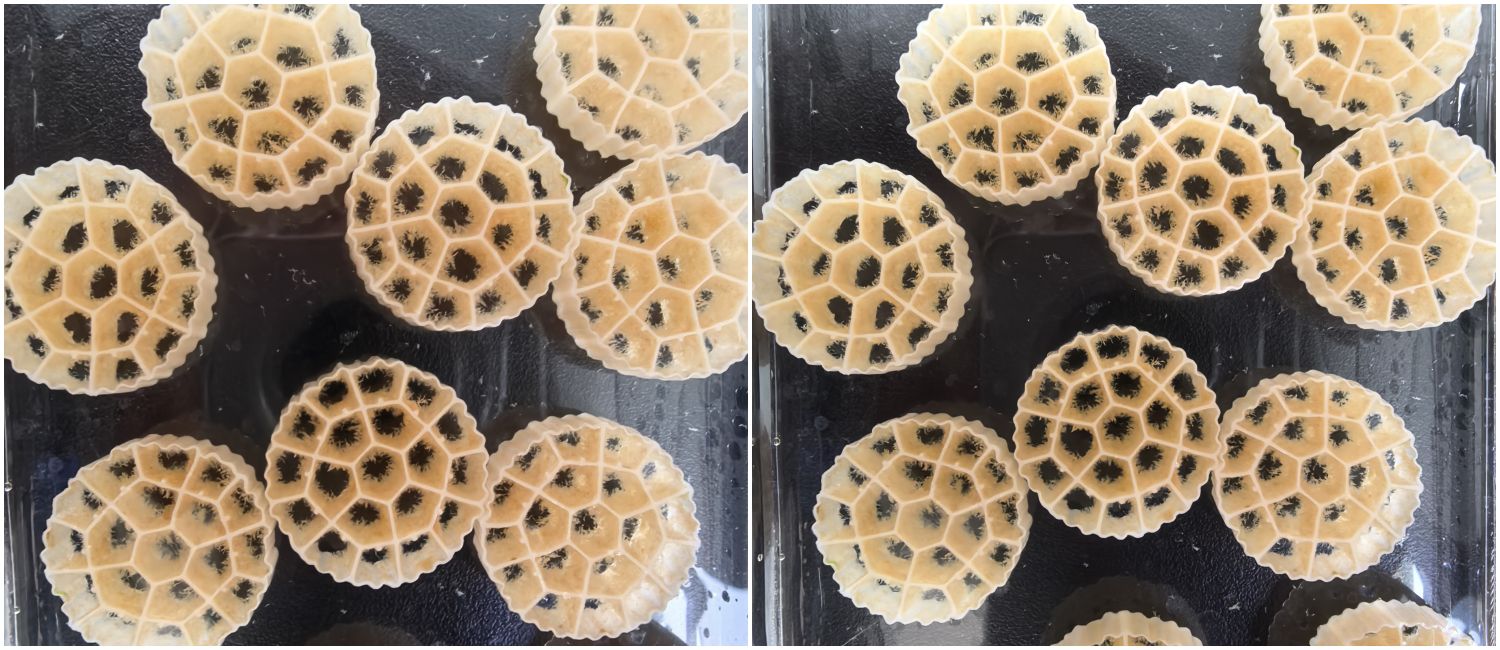
DC19-1 MBBR-Medium ist ein hocheffizienter Polyethylen-Biofilmträger, der speziell für Abwasseraufbereitungsprozesse in Moving Bed Biofilm Reactors (MBBR) entwickelt wurde. Dieses Medium verfügt über ein einzigartiges Design mit 19 strategisch platzierten Durchgangslöchern und markanten vertikalen Rippen entlang der Außenflächen. Diese Rippen verbessern die hydraulische Durchmischung erheblich, fördern eine optimale Biomasseverteilung, vergrößern die geschützte Oberfläche für Biofilmwachstum und verbessern die Sauerstoffübertragungseffizienz. Die durch die Löcher geschaffene, kreuzgeschützte Innenstruktur bietet Mikroorganismen hervorragenden Schutz und maximiert so die Biomasseretention und -aktivität. Seine robuste Geometrie gewährleistet hohe Haltbarkeit und Abriebfestigkeit im Dauerbetrieb. DC19-1-Medium ist für die effiziente Stickstoffentfernung (Nitrifikation/Denitrifikation), BSB/CSB-Reduktion und die Behandlung verschiedener industrieller und kommunaler Abwässer konzipiert.
Beschreibung
How do I determine the required quantity of MBBR MEIDA for municipal wastewater treatment?
Simply provide details such as the inlet and outlet water quality standards and the inlet and outlet load, and our technical team will calculate the recommended quantity and model for you.
DC HDPE 19-1 für die Sekundärbehandlung kommunaler Abwässer
DC19-1 MBBR-Medium ist ein hocheffizienter Polyethylen-Biofilmträger, der speziell für Abwasseraufbereitungsprozesse in Moving Bed Biofilm Reactors (MBBR) entwickelt wurde. Dieses Medium verfügt über ein einzigartiges Design mit 19 strategisch platzierten Durchgangslöchern und markanten vertikalen Rippen entlang der Außenflächen. Diese Rippen verbessern die hydraulische Durchmischung erheblich, fördern eine optimale Biomasseverteilung, vergrößern die geschützte Oberfläche für Biofilmwachstum und verbessern die Sauerstoffübertragungseffizienz. Die durch die Löcher geschaffene, kreuzgeschützte Innenstruktur bietet Mikroorganismen hervorragenden Schutz und maximiert so die Biomasseretention und -aktivität. Seine robuste Geometrie gewährleistet hohe Haltbarkeit und Abriebfestigkeit im Dauerbetrieb. DC19-1-Medium ist für die effiziente Stickstoffentfernung (Nitrifikation/Denitrifikation), BSB/CSB-Reduktion und die Behandlung verschiedener industrieller und kommunaler Abwässer konzipiert.
How long does it generally take for MBBR media to become fluidised in water?
HDPE MBBR media manufactured by Decycle takes only around three days to become fully fluidised in water.
Angebot anfordernWhy choose the DC 19-1(K3) as the MBBR medium for municipal wastewater treatment?
1. Hohe spezifische Oberfläche
DC 19-1 (K3) has a specific surface area of >600 m²/m³, providing ample attachment space for microorganisms and increasing the effective biomass in the reaction tank, thereby enhancing the removal of organic matter and ammonia nitrogen from wastewater.
2. 19-Hole Structure for Stable Biofilm Growth
The DC 19-1 (K3) features a 19-hole cylindrical structure that provides both internal and external attachment surfaces for microorganisms. The internal channels help protect part of the biofilm, reducing microbial loss caused by water flow and aeration, thereby maintaining more stable biological treatment performance in the system.
3. Efficient Mass Transfer Performance
The porous structure of DC 19-1 (K3) facilitates thorough contact between wastewater, dissolved oxygen, and microorganisms, allowing oxygen and pollutants to penetrate the biofilm more effectively, thereby improving the removal efficiency of pollutants such as COD, BOD, and ammonia nitrogen.
4. Excellent Fluidization Effect
DC 19-1 (K3) has a density of 0.94–0.97 g/cm³, which is close to that of water. When aerated or propelled by water flow, the packing material remains well suspended and fluidized in the reaction tank, making it unlikely to settle at the bottom of the tank, which helps improve packing utilization and system operational stability.
5. Made from 100% White Virgin HDPE
DC 19-1 (K3) is made from 100% virgin white HDPE material and offers excellent chemical stability, corrosion resistance, and weather resistance, making it suitable for long-term use in municipal sewage and industrial wastewater treatment systems.
6. Lange Lebensdauer
DC 19-1 (K3) has a service life of up to 15 years, which reduces the frequency of media replacement and lowers the long-term operating and maintenance costs of wastewater treatment systems.
7. Flexible Filling Ratio
The packing density of DC 19-1 (K3) ranges from 15% to 65%. It can be flexibly designed to accommodate different water qualities, organic loads, tank volumes, and effluent requirements, making it suitable for wastewater treatment projects of various scales.
8. Suitable for COD, BOD and Ammonia-Nitrogen Removal
DC 19-1 (K3) provides a stable attachment surface for heterotrophic bacteria and nitrifying bacteria. It is suitable for COD and BOD degradation as well as ammonia nitrogen removal in wastewater treatment, helping to improve the system’s biochemical treatment efficiency.
9. Suitable for MBBR and IFAS Upgrading
DC 19-1 (K3) can be added into existing biological tanks to increase biomass concentration and improve treatment capacity without large-scale civil construction. It is suitable for MBBR systems and IFAS process upgrading.
Technische Spezifikationen
| Kategorie | Normen | Hinweise/Einheiten |
| Modellbezeichnung | DC 19-1 MBBR-Medien | Industriestandardname |
| Primärstruktur | Kurzer Zylinder mit internen, kreuzgeschützten Vertiefungen | Durchmesser ≈ Höhe |
| Hauptmerkmal | Vertikale Rippen auf der Außenfläche | Verbessert die Durchmischung, schützt den Biofilm |
| Lochkonfiguration | 19 Durchgangslöcher | Bietet innere Oberfläche und Schutz |
| Material | Polyethylen hoher Dichte (HDPE) | Neuware, UV-stabilisiert (optional) |
| Farbe, | Weiß | Andere Farben erhältlich |
| Nenndurchmesser | 25 mm (0.98 Zoll) | Außenmaß |
| Nennhöhe | 10 mm (0.39 Zoll) | Außenmaß |
| Spezifisches Gewicht | 0.94 - 0.97 | g / cm³ |
| Theoretische geschützte Oberfläche | >600 m²/m³ | |
| Hohlraumanteil | ≥ 90% | % des Medienvolumens |
| Betriebs-pH-Bereich | 2 - 12 | |
| Max. Dauertemp. | 60°C (140°F) | PE-Materialgrenze |
| Füllverhältnis | 15% - 65% | % des Reaktorvolumens (designabhängig) |
Typical Applications of DC 19-1 (K3)
DC 19-1 (K3) is suitable for biological wastewater treatment systems requiring stable biofilm growth, efficient organic matter removal and ammonia-nitrogen control.
Typische Anwendungen sind:
● Municipal wastewater treatment plants
● Domestic sewage treatment systems
● Industrial wastewater treatment systems
● Food and beverage wastewater treatment
● Chemical wastewater treatment
● Printing and dyeing wastewater treatment
● Pulp and paper wastewater treatment
● Slaughterhouse wastewater treatment
● Hotel, resort and community wastewater treatment
● School, hospital and industrial park wastewater treatment
● Decentralized sewage treatment systems
● MBBR biological treatment systems
● IFAS process upgrading
● Existing wastewater treatment plant capacity expansion
● COD, BOD and ammonia-nitrogen removal systems
How long does it take for a biofilm to form on MBBR MEDIA?
The MBBR MEDIA produced by Decycle has a rough surface, making it more suitable for bacterial attachment; a biofilm visible to the naked eye forms within five days.
Angebot anfordernHäufig gestellte Fragen
F: Sind Sie ein Handelsunternehmen oder ein Hersteller?
A: Wir sind Fabrik.
F: Wie lange ist Ihre Lieferzeit?
A: Im Allgemeinen dauert es 10-20 Tage, wenn die Ware auf Lager ist. oder es sind 30-45 Tage, wenn die Ware nicht auf Lager ist, es ist nach Menge.
Q: Liefern Sie Proben? ist es kostenlos oder extra?
A: Ja, wir könnten das Muster kostenlos anbieten, die Lieferkosten trägt der Käufer.
F: Was sind Ihre Zahlungsbedingungen?
A: T/TL/C.


